Introduction
Home improvement loans are a practical way to fund renovations, but in 2026 they come with higher costs and less room for mistakes. Interest rates are elevated, lenders are stricter, and poor decisions can quietly turn into long-term financial pressure. If you’re planning a renovation, the real question isn’t just “can you get a loan?”—it’s “what will this loan actually cost you?”
This guide is based on current U.S. lending trends and real borrower cost comparisons in 2026.
⚠️ Compare Lenders Before Applying (This Saves You Thousands)
Most borrowers lose money before they even take the loan—and they don’t realize it. Different lenders offer completely different interest rates, fees, and terms for the same borrower profile. A small difference of just 2–3% in APR can cost you thousands over time.
What smart borrowers actually do:
- Check at least 3–5 lenders before deciding
- Compare APR (not just interest rate)
- Look at total repayment cost, not monthly payment
- Review fees, penalties, and flexibility
Skipping this step is one of the most expensive mistakes you can make. The fastest loan is rarely the cheapest one.
What Are Home Improvement Loans?
Home improvement loans help homeowners finance repairs, upgrades, or remodeling without upfront cash. Some loans depend on your credit profile, while others use your home as collateral. That difference directly affects your interest rate and total repayment. In 2026, lenders are more cautious, so understanding cost structure before borrowing is critical.
Real Cost Breakdown: Personal Loan Example
- Loan Amount: $20,000
- Interest Rate: 17% APR
- Loan Term: 5 years
What You Actually Pay
- Monthly Payment: ~$497
- Total Paid: ~$29,820
- Interest Paid: ~$9,820
That’s nearly 50% extra cost, just because of the interest rate.
Real Cost Breakdown: Home Equity Loan Example
- Loan Amount: $20,000
- Interest Rate: 7.5%
- Loan Term: 5 years
What You Actually Pay
- Monthly Payment: ~$400
- Total Paid: ~$24,000
- Interest Paid: ~$4,000
Same loan—but nearly $5,800 saved by choosing the right option.
Real Borrower Scenario: The Hidden Cost of Not Comparing
One borrower applies to the first lender they find and accepts a 16% personal loan. Another borrower with a similar profile compares multiple lenders and secures a 12% rate. The difference looks small, but over time, it results in thousands in extra payments. The mistake wasn’t the loan—it was skipping comparison.
Types of Home Improvement Loans
Personal Loans for Home Improvement
Personal loans are quick and easy, which is why many borrowers choose them first. They don’t require collateral and offer fixed payments. However, higher interest rates make them expensive for larger projects. They are best for short-term or urgent needs.
Home Equity Loans
Home equity loans offer lower rates because your home is used as security. You get a fixed amount and predictable payments, which helps with planning. They work well for large renovations with clear budgets. The trade-off is the risk tied to your property.
HELOC (Home Equity Line of Credit)
A HELOC gives flexible access to funds, making it ideal for projects with changing costs. You only borrow what you need, which helps control spending. However, variable rates can increase your payments over time. This makes it important to track market changes.
Cash-Out Refinance
Cash-out refinancing allows you to access a large amount at relatively lower rates. It works best for major renovations or combined financial goals. However, extending your mortgage increases total repayment. It should only be used when it clearly makes financial sense.
Comparison of Loan Options
| Loan Type | Avg Rate (2026) | Total Cost Impact |
| Personal Loan | 15–18% | Highest |
| Home Equity Loan | 7–8% | Lower |
| HELOC | ~7% variable | Uncertain |
| Cash-Out Refinance | 6–7% | Long-term |
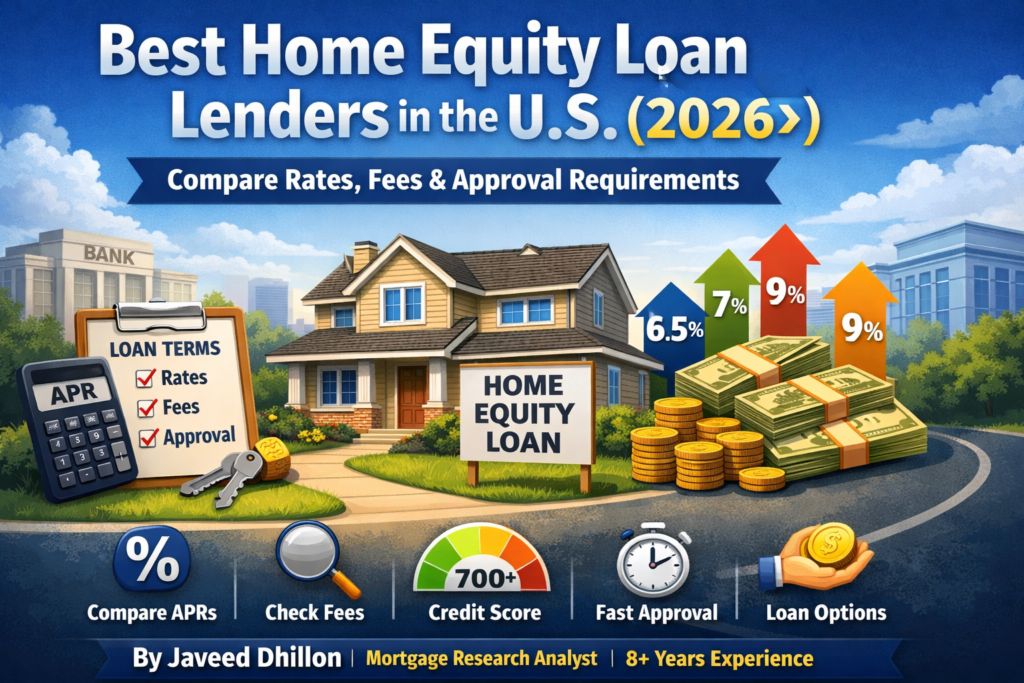
In 2026, borrowing costs remain relatively high due to ongoing inflation and tighter lending policies, making it even more important to compare loan options carefully.
Best Lenders for Home Improvement Loans (2026)
Choosing the right lender can reduce your total loan cost significantly. Here are some commonly used options in the U.S.:
- Discover Personal Loans – Good for fast approval and no upfront fees
- LightStream – Known for lower rates if you have strong credit
- SoFi – Flexible terms and no late fees in many cases
- PenFed Credit Union – Competitive rates for qualified borrowers
👉 Always compare at least 3 lenders before applying. Even small differences in APR can lead to large savings over time.
Hidden Costs That Catch Borrowers
- Origination fees (1–5%)
- Closing costs
- Appraisal fees
- Variable rate increases
- Late payment penalties
These costs often go unnoticed until it’s too late.
Smart Borrowing Strategy
- Compare lenders before applying
- Focus on total repayment, not just monthly cost
- Choose the right loan type for your project
- Avoid borrowing more than needed
- Prefer fixed rates in uncertain markets

FAQs
Why is comparing lenders important?
Because rates and terms vary, and small differences can cost thousands.
How many lenders should I compare?
At least 3–5 to get a realistic range of offers.
What should I compare exactly?
APR, total cost, fees, and repayment flexibility.
Is the lowest monthly payment always best?
No, it can lead to higher total cost over time.
Can I negotiate loan terms?
Yes, especially if you have multiple offers.
Related Guides
To make a better decision, you should also understand:
- Home Equity Loans vs Personal Loans
- HELOC vs Home Equity Loan
- How Credit Score Affects Loan Rates
These topics help you choose the right financing option based on your situation.
Conclusion
Home improvement loans can either work for you—or quietly drain your finances. The difference comes down to how you choose, compare, and plan. In 2026, where rates are higher, even small decisions have a bigger impact. The smartest move you can make isn’t rushing—it’s comparing.
👉 Before applying, take a few minutes to compare lenders and request multiple quotes. This simple step can save you thousands over the life of your loan.
Author
Javeed Dhillon
Financial Content Writer & Loan Research Analyst
Javeed Dhillon focuses on real-world loan strategies, cost analysis, and borrower behavior to help readers make smarter financial decisions